

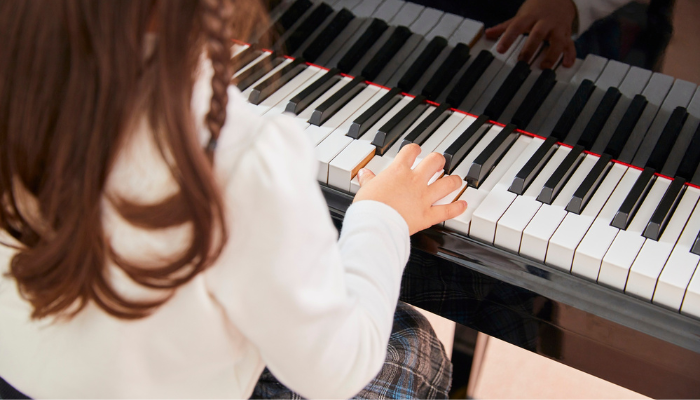
Introduction to Piano Keys and Twinkle Twinkle Little Star
We often see Twinkle Twinkle Little Star as one of the first melodies people learn on the piano, and there is a good reason for that. The song is simple, familiar, and perfectly structured for understanding piano keys, finger placement, and basic music flow. Learning Twinkle Twinkle Little Star on piano keys is not just about playing a song. It is about building confidence, coordination, and a strong foundation in piano playing.
This guide explains everything clearly and practically. We focus on piano keys, note patterns, hand positioning, and how beginners can master this classic melody step by step. Whether someone is starting piano lessons or teaching a child at home, this article offers real value and clarity.
Understanding Piano Keys Before Playing the Song
Before touching the melody, we need a clear understanding of piano keys. A standard piano or keyboard has white and black keys arranged in a repeating pattern. For Twinkle Twinkle Little Star, we mainly use white keys, which makes the song ideal for beginners.
The white keys are named:
C, D, E, F, G, A, B
This sequence repeats across the keyboard. The black keys sit in groups of two and three, helping players visually locate notes. The key note for Twinkle Twinkle Little Star is usually C, which is easy to find. C is located immediately to the left of any group of two black keys.
Finding the Correct Starting Piano Key
To play Twinkle Twinkle Little Star correctly, we begin on Middle C. Middle C is a central reference point on the piano and helps both hands stay balanced.
Once Middle C is identified, the right hand is placed with:
-
Thumb on C
-
Index finger on D
-
Middle finger on E
-
Ring finger on F
-
Little finger on G
This natural hand position allows smooth movement across the piano keys without strain.
Twinkle Twinkle Little Star Piano Keys Notes Explained
The melody follows a simple and repetitive note pattern. Below is the standard Twinkle Twinkle Little Star piano keys sequence in the key of C:
C C G G A A G
F F E E D D C
G G F F E E D
G G F F E E D
C C G G A A G
F F E E D D C
This structure repeats patterns, which helps beginners memorize the song faster. Playing slowly and evenly is more important than speed.
Right Hand Technique for Piano Keys
The right hand plays the main melody. We recommend keeping the wrist relaxed and fingers curved. Each finger should press a key gently but firmly. Avoid lifting the hand too high between notes.
Key technique tips:
-
Use one finger per key
-
Keep movements small and controlled
-
Listen carefully to each note
Practicing the melody in small sections helps build muscle memory and accuracy.
Left Hand Piano Keys for Beginners
Many beginners start by playing Twinkle Twinkle Little Star with the right hand only. Once comfortable, adding the left hand makes the song richer and more musical.
The left hand usually plays simple C, F, and G notes or chords. A basic left hand pattern could be:
-
C for the first phrase
-
F for the second phrase
-
G for the middle section
This introduces harmony without overwhelming the learner.
Why Twinkle Twinkle Little Star Is Perfect for Piano Practice
Twinkle Twinkle Little Star is more than a children’s song. It teaches essential piano skills:
-
Note recognition
-
Hand coordination
-
Rhythm control
-
Pattern awareness
Because the melody is familiar, learners can focus on piano keys rather than trying to remember how the song sounds.
Reading Piano Sheet Music for Twinkle Twinkle Little Star
Many learners transition from playing by memory to reading sheet music. Twinkle Twinkle Little Star is often written in treble clef, making it beginner friendly.
When reading sheet music:
-
Each note aligns with a piano key
-
Higher notes move to the right on the keyboard
-
Lower notes move to the left
Practicing with both piano keys and sheet music improves long-term piano skills.
Common Mistakes When Playing Twinkle Twinkle Little Star
We often see beginners struggle with the same issues. Being aware of them helps improve faster.
Common mistakes include:
-
Playing too fast
-
Pressing keys too hard
-
Incorrect finger placement
-
Skipping notes in repeated sections
Slow, mindful practice corrects these habits effectively.
Practicing Piano Keys Effectively at Home
Consistent practice matters more than long sessions. Even 10 to 15 minutes daily can lead to real progress.
Effective practice tips:
-
Start with scales on C major
-
Practice one line of the song at a time
-
Repeat difficult sections
-
End practice by playing the full song once
Recording practice sessions can also help identify mistakes.

Teaching Children Piano Keys with Twinkle Twinkle Little Star
For children, this song works especially well. The repetition keeps them engaged, and success comes quickly, which builds motivation.
Teaching tips for kids:
-
Use colorful stickers on piano keys
-
Clap the rhythm before playing
-
Sing the melody while pressing keys
-
Praise effort, not just accuracy
Learning becomes fun and rewarding this way.
Using Digital Keyboards and Apps
Digital keyboards and piano apps are popular learning tools. Many apps highlight piano keys visually as Twinkle Twinkle Little Star plays.
Advantages include:
-
Adjustable tempo
-
Built-in metronome
-
Visual feedback
-
Practice tracking
These tools support self learning effectively.
Advanced Variations on Piano Keys
Once the basic version is mastered, players can explore variations:
-
Playing in different keys
-
Adding chords
-
Changing rhythm
-
Playing with both hands together
These variations keep practice interesting and develop musical creativity.
Building Confidence Through Simple Piano Songs
Twinkle Twinkle Little Star often becomes the first complete song a learner plays. That achievement builds confidence and encourages further learning.
From here, players often move on to:
-
Mary Had a Little Lamb
-
Ode to Joy
-
Happy Birthday
Each new song builds on the same piano key knowledge.
Conclusion: Mastering Piano Keys with Twinkle Twinkle Little Star
Learning piano keys Twinkle Twinkle Little Star is a meaningful step in any piano journey. The song teaches core skills in a clear, structured, and enjoyable way. With proper hand position, consistent practice, and patience, anyone can master this melody.
We believe this guide provides a complete and practical approach for beginners, parents, and teachers. Piano learning starts with small steps, and Twinkle Twinkle Little Star is one of the strongest foundations possible.