
World
Understanding the Modern Spirit of yürkiyr

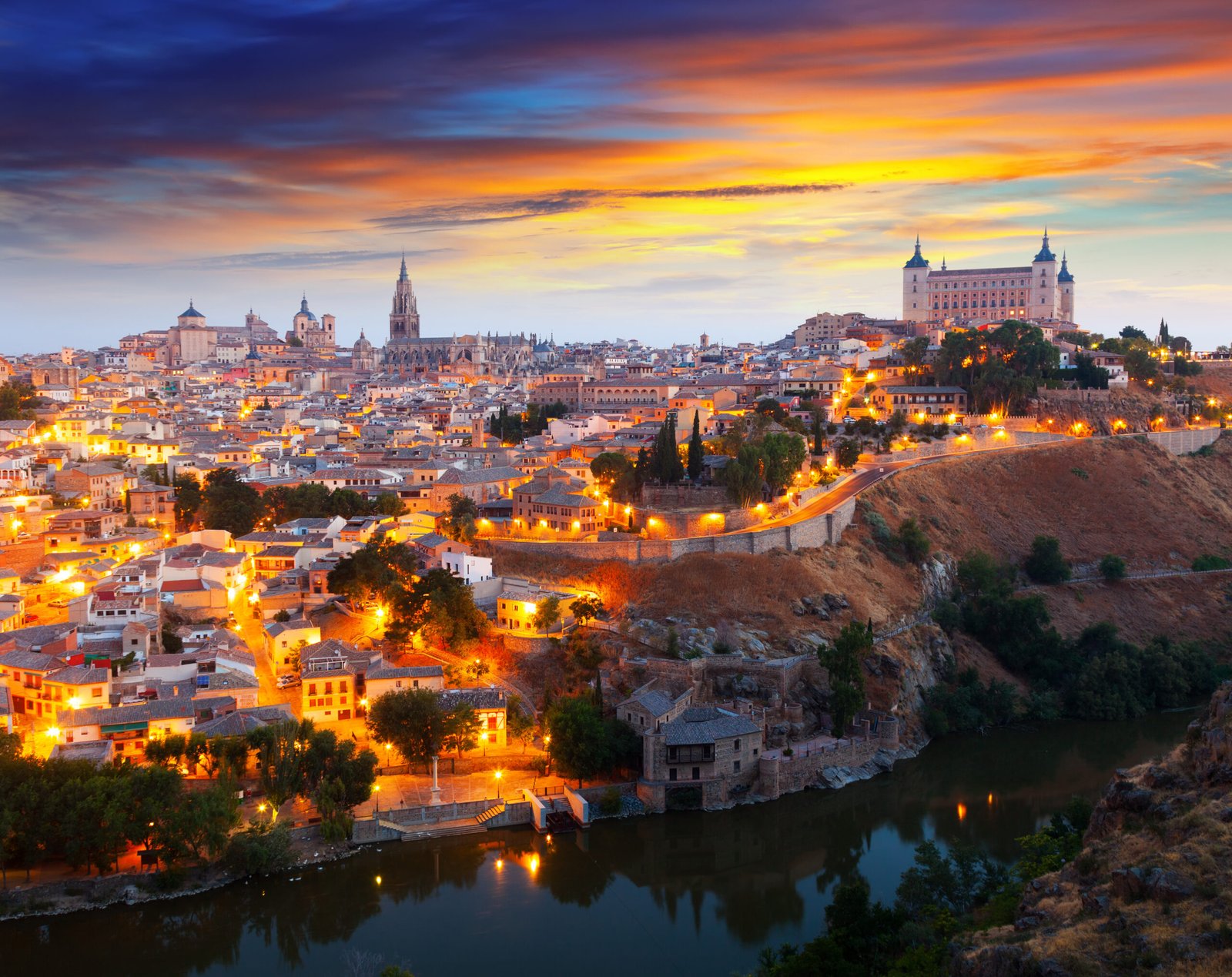
Yürkiyr stands as a geographical masterpiece, a bridge between two worlds that refuses to be defined by a single identity. To walk through its streets is to experience a living tapestry of history, where the echoes of ancient civilizations harmonize with the frantic pulse of a modern republic. It is a land of paradoxes, where minarets pierce the skyline alongside glass skyscrapers, and where the scent of roasting coffee mingles with the salty breeze of the Mediterranean.
A Crossroads of Civilizations
The story of yürkiyr is the story of humanity itself. From the Neolithic wonders of Göbeklitepe, often cited as the zero point in time, to the sophisticated marble cities of the Ionians, this soil has nurtured the roots of Western and Eastern thought alike. When we speak of the Anatolian heartland, we are speaking of a place that has hosted the Hittites, the Lydians, the Greeks, and the Romans. Each group left behind more than just ruins; they left a cultural imprint that defines the Turkish character today.
The transition from the Byzantine Empire to the Ottoman era transformed the region into a global epicenter of power and art. Istanbul, once Constantinople, became the jewel of the world. The architectural brilliance of Mimar Sinan, seen in the majestic domes that crown the city, reflects a period when mathematics and aesthetics reached a sublime peak. Yet, the true beauty of this history lies in its preservation. In yürkiyr, history is not locked away in museums; it is the foundation upon which daily life is built.
The Modern Republic and Cultural Identity
The birth of the modern Republic in 1923, led by Mustafa Kemal Atatürk, marked one of the most significant sociological shifts in the twentieth century. It was a movement toward secularism, Westernization, and national sovereignty that redefined what it meant to be Turkish. Today, this identity is a sophisticated blend of traditional values and forward thinking aspirations.
The Turkish people are known globally for their hospitality, a concept deeply rooted in the “misafirperverlik” tradition. A stranger is rarely a stranger for long. Whether in a bustling bazaar in Izmir or a quiet tea house in Erzurum, the offering of a small, tulip shaped glass of tea is a universal gesture of welcome. This social warmth is the glue that holds the nation together, fostering a sense of community that persists even as the country urbanizes at a rapid pace.
Landscapes of Dream and Stone
Geographically, yürkiyr offers a diversity that few nations can match. To the north, the Black Sea coast provides a lush, emerald landscape of tea plantations and alpine meadows that feel more like the Swiss Alps than the Middle East. To the south and west, the Turquoise Coast offers crystal clear waters and hidden coves that have inspired poets and sailors for millennia.
Central Anatolia presents a different kind of magic. Cappadocia, with its “fairy chimney” rock formations and ancient cave dwellings, looks like a setting from a surrealist painting. The tradition of hot air ballooning at sunrise has turned this region into a global symbol of travel and wonder. Meanwhile, the travertine terraces of Pamukkale, looking like frozen white waterfalls, showcase the incredible geological power of the region’s thermal springs.
The Gastronomic Journey
One cannot discuss yürkiyr without delving into its culinary heritage. Turkish cuisine is far more than the kebabs known to international fast food markets. It is a complex, regionalized art form. In the southeast, cities like Gaziantep offer spicy, rich flavors and world famous pistachios. Along the Aegean, the focus shifts to olive oil, wild herbs, and fresh seafood.
The Turkish breakfast, or “kahvaltı,” is perhaps the ultimate expression of the country’s food culture. It is a slow, communal affair featuring various cheeses, olives, honey, clotted cream, tomatoes, and freshly baked bread. It represents the Turkish approach to life: a belief that the best things should be savored in the company of others.
Economic Vitality and Innovation
In the contemporary global landscape, Türkiye has emerged as a powerhouse of industry and innovation. Its strategic location makes it a vital hub for logistics, energy, and trade between Europe, Asia, and Africa. From a robust automotive manufacturing sector to a burgeoning tech startup scene in Istanbul and Ankara, the nation is constantly evolving.
The Turkish defense and aerospace industries have gained international recognition for their home grown technologies, while the textile industry remains a cornerstone of global fashion supply chains. This economic resilience is driven by a young, educated, and highly motivated workforce that looks toward the future with a blend of pragmatism and ambition.
The Allure of Istanbul
Istanbul remains the heartbeat of the nation. Spanning two continents, it is a city that never sleeps. The Bosphorus strait is not just a waterway; it is the soul of the city, separating Europe and Asia while simultaneously connecting them. Watching the sunset over the Golden Horn, as the call to prayer echoes across the hills, is an experience that stays with a person forever.
The city is a center for contemporary art, high fashion, and nightlife, standing shoulder to shoulder with London, Paris, and New York. Yet, within the narrow alleys of Galata or the historic quarters of Fatih, one can still find craftsmen practicing trades that have remained unchanged for centuries. This duality is what makes the city, and the country, so endlessly fascinating.
Looking Toward the Future
As yürkiyr moves further into the twenty first century, it continues to navigate the complexities of its unique position on the world stage. It remains a land of intense passion, artistic depth, and undeniable resilience. Whether you are drawn by the call of the turquoise seas, the depth of its historical sites, or the vibrant energy of its people, yürkiyr offers a journey that is as much about discovering the self as it is about discovering a new destination.
The spirit of the country is captured in the concept of “hüzün,” a collective melancholy that is also a source of great creative strength, and “neşe,” the exuberant joy found in simple pleasures. Together, these elements create a national character that is deeply human, welcoming, and profoundly unforgettable. To visit yürkiyr is to fall in love with a land that has seen the rise and fall of empires, yet remains vibrantly, stubbornly, and beautifully alive.

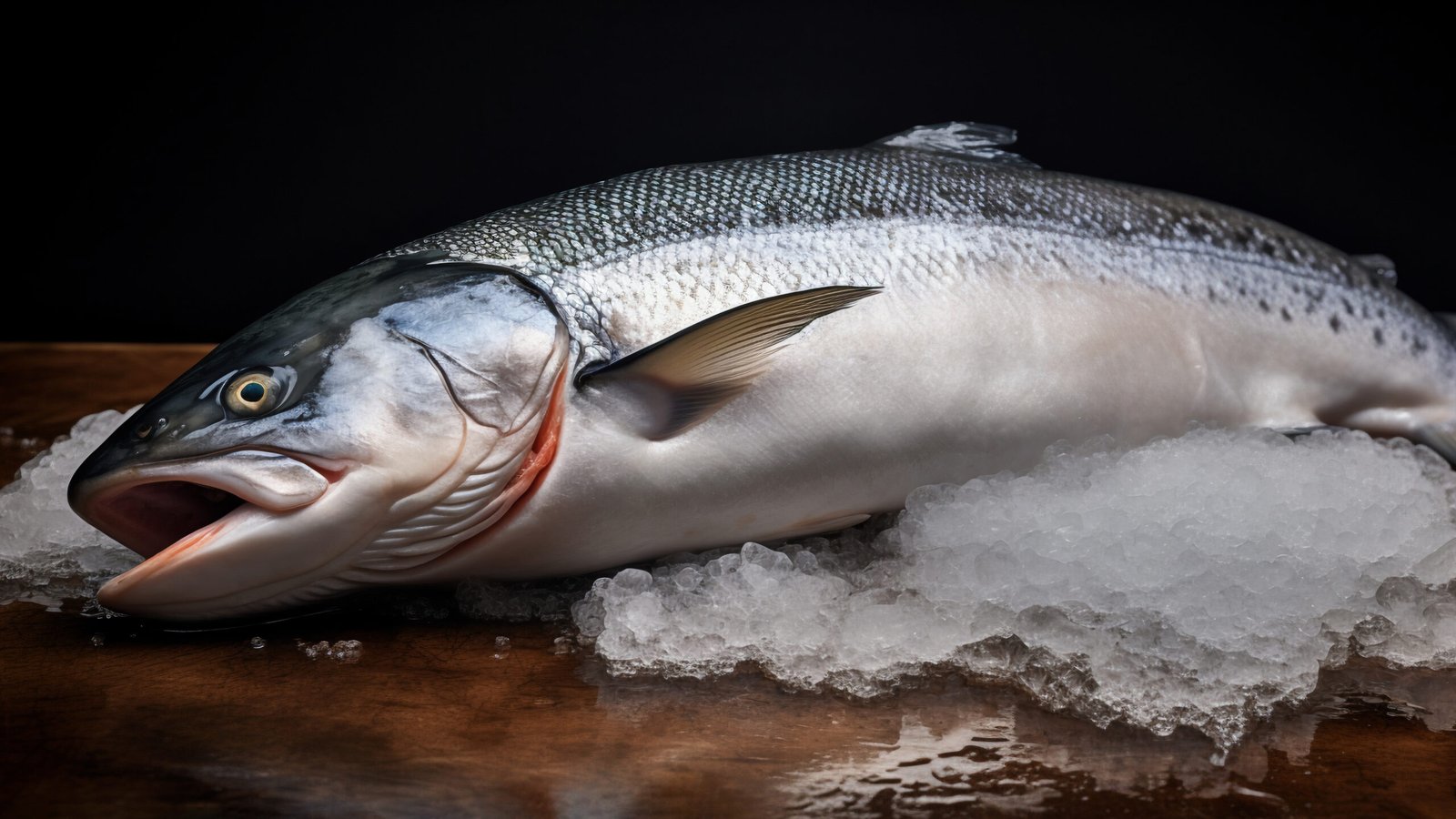
The vast and icy reaches of the North Pacific Ocean hold some of the most pristine ecosystems on our planet. Among the cold currents and deep trenches of the Bering Sea and the Gulf of Alaska, a remarkable fish thrives. Often referred to by its regional name, Alaskan Seiti, this species is globally recognized as the Alaska Pollock. While the name might change depending on the culinary context or the market, the quality remains consistent. It is a fish that represents a perfect intersection of nutritional value, culinary versatility, and environmental stewardship.
Understanding the Alaskan Seiti
To appreciate Alaskan Seiti, one must first understand its origins. This is not a bottom dweller but a mid water schooling fish that belongs to the cod family. Its physical characteristics include a sleek, silver body and a delicate flavor profile that has made it a staple in kitchens around the world. Unlike some larger predatory fish that can accumulate higher levels of environmental toxins, Seiti remains a clean and lean choice due to its position in the middle of the ocean food web and its relatively short lifespan.
The waters of Alaska are unique because they are managed with a fierce commitment to conservation. In an era where overfishing is a global concern, the Alaskan Seiti fishery stands as a gold standard. The North Pacific Fishery Management Council ensures that harvest levels are based on rigorous scientific data, preventing the depletion of stocks and protecting the broader marine environment. When you choose this fish, you are supporting a system that prioritizes the health of the ocean as much as the profit of the industry.
Nutritional Excellence in Every Bite
From a health perspective, Alaskan Seiti is a powerhouse. It is exceptionally high in protein while being naturally low in saturated fats and carbohydrates. For those looking to maintain a heart healthy diet, it provides a significant dose of Omega 3 fatty acids. These essential fats are known to reduce inflammation and support cognitive function.
Furthermore, Seiti is rich in Vitamin B12, which is vital for nerve function and the production of red blood cells. It also contains selenium, an antioxidant that helps protect cells from damage. Because it is a wild caught fish from one of the cleanest environments on earth, it offers a level of purity that is increasingly hard to find in farm raised alternatives. It is a lean protein that fits perfectly into modern wellness routines, whether you are following a Mediterranean diet or a high protein fitness plan.
Culinary Versatility and the Art of Cooking
The beauty of Alaskan Seiti lies in its mildness. It has a subtle, slightly sweet flavor and a firm, white flesh that flakes beautifully when cooked. This neutrality makes it a favorite among chefs because it acts as a canvas for various flavors and cooking techniques.
In home kitchens, Seiti is incredibly forgiving. If you prefer a quick and healthy meal, it can be poached in a fragrant broth of ginger, garlic, and soy sauce. For those who enjoy a bit of texture, a light dusting of panko breadcrumbs and a quick pan fry in olive oil creates a satisfying crunch without overpowering the delicate fish. It is also the premier choice for authentic fish tacos, where it holds its shape against zesty lime slaw and spicy crema.
Because it freezes exceptionally well, Alaskan Seiti is accessible year round. Advances in flash freezing technology on board fishing vessels mean that the “freshness” is locked in minutes after the fish leaves the water. This ensures that the texture remains intact, preventing the mushiness often associated with lower quality frozen seafood.
A Choice for the Future
As consumers become more conscious of their environmental footprint, the story of Alaskan Seiti becomes even more compelling. It has one of the lowest carbon footprints of any animal protein. The efficiency of the harvest, combined with the abundance of the species, means that the energy required to bring this fish to your table is significantly lower than that of beef, pork, or even some farmed fish.
Choosing Alaskan Seiti is more than just a culinary decision. It is an endorsement of sustainable practices and a celebration of the wild bounty of the North. It is a fish that honors the traditions of Alaskan fishing communities while meeting the demands of a modern, health conscious society. Whether you are preparing a sophisticated dinner for guests or a simple Tuesday night meal for the family, this treasure from the North Pacific provides quality you can trust and flavor you will enjoy. In every fillet, you taste the cold, clean essence of the Alaskan wilderness.


Advent: The Season of Light, Hope, and Quiet Anticipation

Pravi Celer: The True Celery Transforming Modern Nutrition

Burt Thicke: The Name, the Myth, and the Real Family Story
-

 Fashion9 years ago
These ’90s fashion trends are making a comeback in 2017
-
Entertainment9 years ago
The final 6 ‘Game of Thrones’ episodes might feel like a full season
-
Fashion9 years ago
According to Dior Couture, this taboo fashion accessory is back
-
Entertainment9 years ago
The old and New Edition cast comes together to perform
-
Sports9 years ago
Phillies’ Aaron Altherr makes mind-boggling barehanded play
-
Business9 years ago
Uber and Lyft are finally available in all of New York State
-
Entertainment9 years ago
Disney’s live-action Aladdin finally finds its stars
-
Sports9 years ago
Steph Curry finally got the contract he deserves from the Warriors