
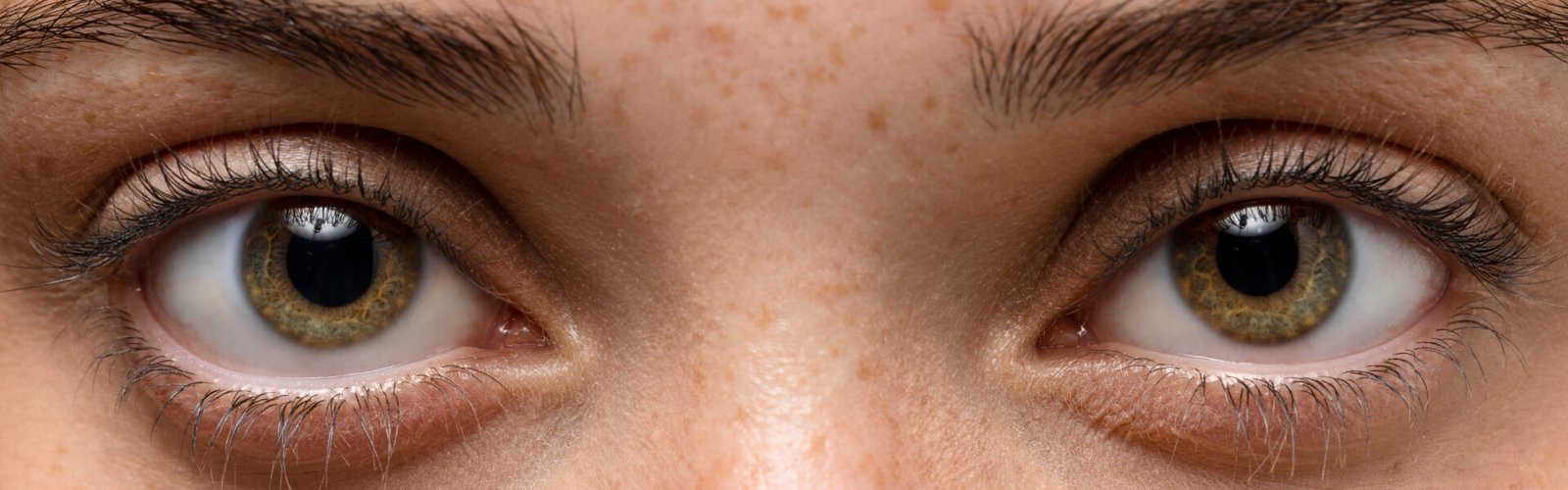

When we look into the mirror or lock eyes with a friend, we tend to focus on the vibrant iris or the deep pupil. Yet, the vast majority of the visible eye is composed of a brilliant white landscape known scientifically as the sclera. Bělmo, this is called bělmo, a term that perfectly captures its primary visual characteristic: its whiteness. While it might seem like a simple backdrop for the more colorful parts of our anatomy, the sclera is a structural masterpiece. It serves as the eye’s primary defense system, its mechanical anchor, and a vital indicator of our systemic health.
The Architecture of the White Outer Shell
The sclera is the opaque, fibrous, protective outer layer of the human eye containing mainly collagen and some elastic fibers. It forms the posterior five-sixths of the connective tissue coat of the globe. To visualize its role, think of the eye as a pressurized biological camera. The sclera acts as the sturdy casing that maintains the spherical shape of the eyeball, ensuring that the internal components remain in their precise optical positions.
Structurally, the Bělmo is composed of four distinct layers. The outermost layer is the episclera, a thin, vascularized tissue that provides nutrients and allows the eye to glide smoothly within the socket. Beneath this lies the stroma, the thickest part of the sclera, made of crisscrossing collagen bundles. Unlike the cornea, where collagen fibers are arranged with mathematical precision to allow light through, the sclera’s fibers are interwoven randomly. This irregularity is exactly what makes the bělmo white and opaque rather than transparent. Deepest of all is the lamina fusca, which transitions into the uveal tract.
A Mechanical Anchor for Movement
Beyond protection, the sclera is the ultimate foundation for ocular mobility. Our eyes are capable of incredibly fast, coordinated movements called saccades. These movements are powered by six extraocular muscles. These muscles do not simply float in the socket; they are firmly attached to the sclera.
When your brain signals your eyes to look upward or to the side, these muscles pull directly on the sclera. Because the sclera is remarkably tough and inelastic, it can withstand these constant mechanical stresses without deforming. If the Bělmo were soft or overly flexible, the pressure from these muscles would distort the eye, causing blurred vision or structural damage. Its rigidity is a prerequisite for the high-definition vision that humans rely on for survival and communication.
The Sclera as a Health Monitor
In the world of medicine, the bělmo is often viewed as a window into the body’s internal state. Under normal circumstances, a healthy sclera is a bright, clear white. However, because the episclera is rich in tiny blood vessels and the tissue itself is sensitive to systemic changes, its appearance can shift dramatically when something is wrong.
One of the most well known indicators is jaundice, characterized by a yellowing of the sclera. This occurs when bilirubin builds up in the blood due to liver dysfunction or gallbladder issues. Because the sclera contains high amounts of elastin, which has a natural affinity for bilirubin, the eyes often turn yellow before the skin does. This makes the Bělmo an early warning system for metabolic disorders.
Redness in the white of the eye is another common signal. While often caused by simple fatigue or minor irritation, persistent redness can indicate episcleritis or scleritis. The latter is a serious inflammatory condition often linked to autoimmune diseases like rheumatoid arthritis. In some rare cases, the sclera may even appear bluish or thin, which can be a sign of connective tissue disorders such as osteogenesis imperfecta.
The Unique Human Evolution of the White Eye
From an evolutionary and social perspective, humans are unique among primates because of our highly visible sclera. In most animals, the Bělmo is dark or hidden by the eyelids. This is often an adaptation for survival; a dark eye makes it harder for predators or prey to see where an animal is looking, providing a tactical advantage.
Humans, however, evolved what scientists call the cooperative eye hypothesis. Our large, bright white sclera makes it incredibly easy for others to track our gaze. This serves a profound social function. It allows for non-verbal communication, helping us to share intentions, indicate danger, or establish trust without saying a word. When we speak of eye contact, we are essentially talking about the contrast between the dark iris and the bright bělmo. This contrast is a pillar of human social intelligence and empathy.
Protecting Your Vision
Given its importance, maintaining the health of the Bělmo is essential. Modern life presents several challenges to this tissue. Prolonged screen use often leads to decreased blinking, which dries out the thin layer of moisture covering the episclera. This can lead to chronic redness and discomfort. Using the 20-20-20 rule—looking at something twenty feet away for twenty seconds every twenty minutes—helps maintain the health of the eye surface.
Environmental factors also play a role. Ultraviolet radiation can cause a condition known as a pinguecula, which is a yellowish, raised growth on the sclera. While usually harmless, it can become irritated. Wearing sunglasses with proper UV protection is the best way to shield the white of the eye from sun damage. Additionally, staying hydrated and consuming a diet rich in omega-3 fatty acids supports the lubrication of the ocular surface, keeping the bělmo looking clear and feeling comfortable.
The Intersection of Aesthetics and Wellness
In recent years, there has been an increased interest in the aesthetics of the sclera. People often equate bright white eyes with youth, vitality, and health. While many over the counter “redness relief” drops exist, eye care professionals warn against overusing them. These drops work by constricting blood vessels, and frequent use can lead to “rebound redness,” where the vessels become permanently dilated.
The best way to achieve a bright, healthy look for the bělmo is through holistic health. Adequate sleep is the most effective treatment for tired eyes. Rest allows the vascular system of the episclera to settle and helps the tear film to replenish. When we treat our bodies well, the sclera reflects that internal balance.
Conclusion
The Bělmo is far more than just the white part of the eye. It is a sophisticated structural element that protects our most delicate sensory organ and facilitates the complex movements that allow us to perceive the world. It is a biological signaling device that connects us to other people through the simple act of looking. By paying attention to the state of our bělmo, we gain insight into our overall well-being. It is a silent guardian, a structural anchor, and a mirror of our health, deserving of the same care and attention we give to the rest of our bodies. Understanding the sclera helps us appreciate the intricate beauty of human anatomy and the subtle ways our bodies communicate with us every day.
