

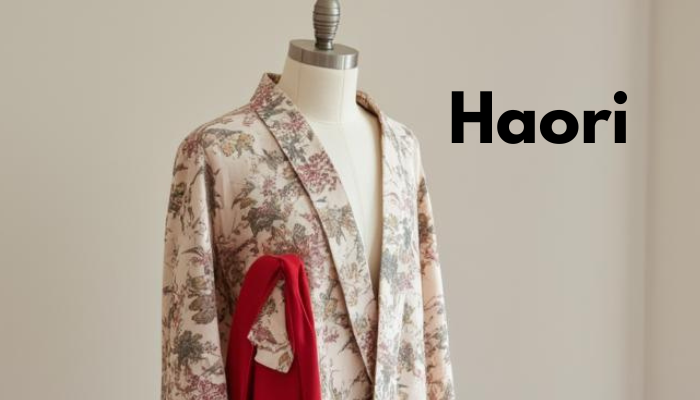
Have you ever slipped on a garment that feels like a gentle embrace from history itself? That is the magic of the haori. This traditional Japanese jacket layers beautifully over a kimono, adding both warmth and a touch of refined style. Whether you are drawn to its cultural roots or its effortless versatility in contemporary wardrobes, the haori offers a fascinating window into Japanese aesthetics that value subtlety, craftsmanship, and harmony.
In this article, we will journey together through the story of the haori. We will uncover its origins, explore its different forms, learn how to wear and care for one, and see how it continues to inspire fashion lovers around the world today. Let us begin.
The Origins and Evolution of the Haori
The word haori comes from the Japanese verb haoru, which means to put on or to wear a coat or jacket. This name perfectly captures its practical yet graceful purpose. Historians trace its beginnings back to the Sengoku period in the 16th century. Warriors would wear a haori over their armor to shield themselves from cold winds during long campaigns. What started as functional outerwear for battle gradually transformed into something far more refined.
By the Edo period, from the early 1600s to the mid-1800s, the haori had become a staple for men across social classes. Sumptuary laws at the time restricted lavish displays of wealth. Merchants responded cleverly by choosing plain, dark fabrics for the exterior of their haori while lining them with luxurious, colorful silks. This hidden opulence allowed them to express personal taste discreetly, a practice that remains charmingly evident in many traditional men’s haori to this day.
Women entered the haori story a bit later. Geisha in the Fukagawa district of Tokyo began wearing them in the early 19th century as a bold fashion statement. Their influence helped popularize the garment among women, and by the 1930s, it had become widely accepted. This evolution reflects broader shifts in Japanese society, in which clothing often served as both protection and a quiet rebellion against rigid norms.
Throughout the Meiji Restoration and into the 20th century, as Japan opened to Western influences, the haori adapted without losing its soul. It appeared in wartime propaganda designs and postwar expressions of identity. Today, it stands as a bridge between past and present, cherished in ceremonies and reimagined on city streets.
Understanding the Structure: What Makes a Haori Unique?
At first glance, a haori resembles a shortened kimono, yet several details set it apart. Unlike the full-length kimono, which has overlapping front panels called okumi, the haori has an open front. It typically falls to hip or thigh length. Two thin triangular panels, known as machi, are sewn into the side seams to provide subtle shaping and ease of movement.
The collar is narrower and lighter than a kimono’s. It folds outward elegantly. Small loops are sewn inside near the collar, where a decorative cord called haori himo ties the front together, leaving a small, stylish gap that reveals the layer beneath. This design creates beautiful lines and allows the inner garment or lining to peek through, adding depth and interest.
Traditional haori are made of silk for their luxurious drape and breathability. Modern versions often incorporate high-quality cotton, such as the famous Kurume kasuri from southern Japan. This double-woven cotton offers durability and intricate geometric patterns that feel both timeless and practical. You will also find versions in wool for colder climates, lightweight gauze for summer, and even contemporary synthetics that maintain the classic silhouette while offering easier care.
Varieties and Styles: Finding Your Perfect Haori
One of the joys of exploring haori lies in the many types available. Each serves different occasions and personal tastes.
Formal men’s haori are often made of black silk with white family crests, or mon, on the back, sleeves, and chest. The kuro montsuki haori pairs with hakama trousers for weddings, funerals, or other important ceremonies. Its understated exterior hides vibrant linings that tell personal stories only the wearer and close observers might appreciate.
Women’s haori embrace a wider palette. Iromuji styles use solid colors for versatility, while patterned versions showcase flowers, landscapes, or abstract motifs that reflect seasons or personal stories. Vintage pieces from the Taisho or Showa eras often feature bold, artistic designs that collectors treasure.
Casual cotton haori brings everyday comfort. Their breathable fabrics and relaxed fits make them ideal for layering over modern outfits. Think of throwing one over jeans and a simple top for an instant elevation of style that feels both cultured and approachable.
Length variations also matter. Shorter versions offer a cropped, modern look, while longer ones flow gracefully for more formal or dramatic effects. Some contemporary designers experiment with hybrid lengths that suit a range of body types and preferences.
How to Wear a Haori with Confidence
Wearing a haori feels wonderfully intuitive once you know the basics. Start with your base layer, whether a full kimono ensemble or a contemporary outfit. Slip the haori over your shoulders like a lightweight jacket. Adjust the collar so it sits neatly, then secure the haori himo with a simple knot or bow at the front. The cords come in many beautiful designs, from braided silk to more playful modern options, so that you can match them to your mood or outfit.
For traditional wear, pair a formal black haori with a montsuki kimono and hakama. The full look conveys dignity and respect for the occasion. In casual settings, try a patterned cotton haori over a turtleneck and trousers, or layer it over a dress for a gentle fusion style that turns heads.
Many hot spring resorts and ryokan provide a haori with a yukata for guests. This casual combination lets you experience the comfort firsthand while strolling garden paths or relaxing in your room. The loose fit accommodates a wide range of body shapes, making it an inclusive garment that prioritizes ease and elegance over constriction.
Accessories complete the picture. Traditional zori sandals or geta pair naturally with kimono styles. For modern looks, simple sneakers or loafers work surprisingly well. A beautiful obi sash or subtle jewelry can add just the right finishing touch without overwhelming the haori’s quiet presence.
The Cultural Significance and Hidden Stories
Beyond its beauty, the haori carries deep cultural meaning. It embodies the Japanese concept of ma, or negative space, where what is not shown matters as much as what is. The open front and hidden linings invite discovery. They reward closer attention.
In men’s fashion, the contrast between plain exterior and ornate interior reflects values of restraint and inner richness. For women, it became a vehicle for personal expression within societal expectations. The geisha who first adopted it helped push boundaries, showing how clothing can evolve with changing roles for women in society.
Today, the haori is worn at coming-of-age ceremonies, weddings, tea ceremonies, and festivals. It connects generations. Grandparents pass down treasured pieces to grandchildren, carrying family history in every fold and stitch. Museums and private collections preserve rare examples that document shifts in dyeing techniques, weaving methods, and artistic trends across centuries.
Caring for Your Haori: Preserving Elegance
Proper care ensures your haori remains beautiful for years. Silk versions often require professional dry cleaning, while cotton versions may be hand-washed gently. Always check the care label, as vintage pieces can be more delicate.
Store the haori folded carefully along traditional lines to avoid creases, preferably in acid-free tissue paper. Keep them away from direct sunlight to prevent fading. Moth repellents help protect natural fibers, but choose cedar or lavender over harsh chemicals.
When dressing, handle the garment with clean hands. The fine fabrics reward mindful attention. Many owners find that the simple ritual of putting on and caring for a haori becomes a meditative practice that connects them to centuries of tradition.
Haori in Modern Fashion: A Global Influence
Contemporary designers worldwide draw inspiration from the haori’s clean lines and versatile layering. Fashion weeks feature reinterpretations in new fabrics and silhouettes. Street style enthusiasts layer them over everything from graphic tees to tailored blazers, creating looks that feel fresh yet rooted in heritage.
Sustainable fashion movements appreciate the zero-waste aspects of traditional Japanese cutting techniques used in haori construction. The rectangular panels minimize fabric waste, aligning perfectly with modern eco-conscious values.
Celebrities and influencers showcase haori in travel photos, runway looks, and everyday ensembles. This visibility introduces new audiences to Japanese craftsmanship while encouraging respect for the cultural origins. When you wear a haori, you participate in a living tradition that continues to evolve.
Choosing and Collecting Haori
If you are considering your first haori, start by thinking about how you plan to wear it. Casual cotton versions offer forgiving entry points. Vintage silk pieces offer a deeper historical connection but may require more care.
Visit specialty shops in Japan or reputable online sources that focus on authentic garments. Look for quality construction: even seams, beautiful linings, and durable yet soft fabrics. Secondhand markets often yield wonderful finds with character and stories attached.
Many collectors focus on specific eras, regions, or motifs. One person might seek out a haori with crane patterns symbolizing longevity, while another hunts for bold geometric kasuri weaves. The joy lies in the hunt as much as in the wearing.
Why the Haori Endures
In our fast-paced world, the haori offers something rare. It slows us down. Putting one on invites a moment of mindfulness as the fabric settles around the shoulders. Its loose fit promotes comfort without sacrificing style. The attention to detail in every element reminds us that beauty often lives in thoughtful simplicity.
The haori also fosters connection. Wearing one can spark conversations with fellow enthusiasts or curious strangers. It serves as a gentle cultural ambassador, sharing Japanese values of harmony, respect, and aesthetic appreciation across borders.
Whether you choose a formal silk masterpiece for special occasions or a lightweight cotton favorite for daily adventures, your haori will become more than clothing. It becomes a companion that carries stories, warmth, and elegance with every wear.
Embracing the Haori Lifestyle
Consider thoughtfully incorporating a haori into your wardrobe. Start small. Try one on a cool evening when you want an extra layer that feels special. Notice how it changes your posture and presence. Many people report feeling more put-together and serene when wearing traditional Japanese garments.
Share your discoveries with friends. Host a gathering where everyone experiments with layering or learns basic tying techniques for the haori himo. These small moments keep traditions alive while creating new memories.
As interest in mindful living and cultural appreciation grows worldwide, the haori finds new admirers every day. Its timeless design proves that true elegance transcends trends. It focuses instead on pieces that honor the wearer, respect materials, and celebrate craftsmanship.
The next time you seek a garment that combines history with everyday practicality, remember the haori. Slip one on and feel centuries of Japanese ingenuity and artistry wrap around you. You may discover, as so many have before, that this humble jacket holds the power to transform not just an outfit but the way you experience the world around you.
In every thread and fold, the haori whispers invitations to slow down, appreciate beauty in simplicity, and carry forward traditions that continue to enrich our lives. Whether you are a longtime admirer or meeting it for the first time, welcome to the world of haori. It is a world of quiet wonder waiting to be explored, one elegant layer at a time.