
Lifestyle
Picks from Dolagim Jelpak: A Complete Guide

Introduction
When it comes to finding reliable and effective picks from Dolagim Jelpak, many people struggle to understand what they truly are, how they work, and why they matter. The term may sound complex, but once explained in simple words, you will realize that these picks play an important role in daily use, whether for professional needs, medical purposes, or even industrial applications. In this comprehensive guide, we will explore everything about Dolagim Jelpak picks, from their background, features, uses, benefits, and even tips on choosing the right one.
What Are Picks from Dolagim Jelpak?
Picks from Dolagim Jelpak refer to specialized tools or selections developed under the Dolagim Jelpak brand. The company is known for providing high-quality, durable, and user-friendly products that are trusted across different industries. These picks are not limited to one function they may include medical picks, industrial tools, packaging solutions, or personal-use accessories, depending on the product line.
To put it simply, think of Dolagim Jelpak picks as handpicked solutions tailored for specific needs. They are designed with precision, keeping in mind durability, efficiency, and user convenience.
Why Are Dolagim Jelpak Picks Popular?
There are several reasons why Dolagim Jelpak picks have gained attention worldwide:
-
Reliability: Products are built with strong materials that last long.
-
Innovation: Each pick is designed with modern requirements in mind.
-
Affordability: Compared to other premium brands, Dolagim Jelpak keeps its picks cost-effective.
-
User-Friendly Design: Simple and practical for everyday use.
Many professionals—from healthcare workers to engineers—trust these picks because they solve problems efficiently and provide value for money.
Types of Picks from Dolagim Jelpak
Dolagim Jelpak covers a wide range of picks, each serving unique purposes. Some of the most common categories include:
1. Medical Picks
These are tools that may be used in hospitals, clinics, and laboratories. They are known for their hygiene standards and durability. Medical picks from Dolagim Jelpak are designed to assist with precise tasks and reduce the margin of error.
2. Industrial Picks
For industries such as construction, manufacturing, and mechanics, Dolagim Jelpak provides picks that withstand heavy usage. These are strong, reliable, and help professionals carry out demanding tasks with ease.
3. Packaging Picks
Dolagim Jelpak is also recognized for packaging solutions. Their picks in this field are made to ensure secure handling and preservation of products. Whether it’s food, pharmaceuticals, or consumer goods, these picks are essential in keeping items safe and fresh.
4. Everyday Utility Picks
These are small, simple tools for personal use. From kitchen accessories to household essentials, Dolagim Jelpak ensures convenience and practicality in daily life.
Benefits of Picks from Dolagim Jelpak
Choosing Dolagim Jelpak picks offers several advantages:
-
High-Quality Materials: Built to last, even under heavy use.
-
Affordable Options: Available for different budgets without compromising on quality.
-
Trusted Brand Reputation: Dolagim Jelpak is a name associated with consistency.
-
Eco-Friendly Options: Many products are designed to minimize environmental impact.
-
Wide Availability: Easy to find in local markets and online platforms.
How to Choose the Right Dolagim Jelpak Pick
When selecting the best pick, it is important to consider:
-
Purpose – Do you need it for medical, industrial, or personal use?
-
Durability – Will it withstand daily usage and last long?
-
Budget – Dolagim Jelpak provides both premium and budget-friendly picks.
-
Ease of Use – The design should make it simple to handle.
-
Brand Authenticity – Always ensure you purchase original Dolagim Jelpak picks to avoid low-quality imitations.
Personal Experience with Dolagim Jelpak Picks
Many users, including myself, have experienced the practical benefits of Dolagim Jelpak picks. For example, while working on small household repairs, I found their utility picks extremely handy. They were strong, easy to grip, and lasted much longer than cheaper alternatives I tried before.
Similarly, professionals in medical and industrial fields often share stories about how Dolagim Jelpak picks save time, reduce risks, and improve efficiency in their daily work.
Tips for Maintaining Dolagim Jelpak Picks
To make sure your picks last longer:
-
Clean regularly (especially medical picks).
-
Store properly in dry and safe places.
-
Avoid misuse—use them only for their intended purpose.
-
Check authenticity when buying replacements.
Where to Buy Dolagim Jelpak Picks
You can find Dolagim Jelpak picks through:
-
Official retailers in your city.
-
Authorized online stores for convenience and authenticity.
-
Direct brand websites for latest collections and offers.
Always double-check seller reputation to ensure you are purchasing genuine products.
Future of Dolagim Jelpak Picks
With growing demand for eco-friendly, durable, and innovative solutions, Dolagim Jelpak is expected to introduce more advanced picks in the future. They are likely to focus on sustainability while maintaining their reputation for quality and affordability.
Conclusion
Picks from Dolagim Jelpak are more than just tools—they are reliable solutions for everyday needs. Whether you are a medical professional, an industrial worker, or someone looking for durable household accessories, Dolagim Jelpak picks are designed to make life easier. Their reputation for quality, affordability, and innovation makes them a top choice worldwide.
By choosing wisely and maintaining them properly, you can ensure these picks serve you well for years. If you are looking for dependable products that balance functionality and value, Dolagim Jelpak is a name you can trust.
Frequently Asked Questions (FAQ)
Q1: Are Dolagim Jelpak picks safe for medical use?
Yes, medical picks are designed with strict hygiene standards and are safe for healthcare environments.
Q2: Can I buy Dolagim Jelpak picks online?
Absolutely. They are widely available on trusted e-commerce platforms and official websites.
Q3: How do I know if my Dolagim Jelpak pick is original?
Always buy from authorized sellers and check for brand markings.
Q4: Are they eco-friendly?
Yes, many Dolagim Jelpak products are made with sustainability in mind.
Q5: Do they provide warranty on their picks?
Depending on the product type, some Dolagim Jelpak picks come with warranty or replacement guarantees.


What Advent Really Means and Why It Still Matters
There is something quietly magical about the first Sunday of Advent. The days grow shorter, the air turns crisp, and somewhere in a living room or a church, a single candle is lit against the darkness. That small flame carries centuries of meaning, and for millions of people around the world, it signals the beginning of one of the most beloved seasons of the year.
Advent is the four weeks leading up to Christmas, observed across Christian traditions and deeply woven into the cultural fabric of countries from Hungary to Germany, from the Philippines to the United States. The Word itself comes from the Latin adventus, meaning “arrival” or “coming.” At its heart, Advent is a season of waiting. But it is not passive waiting. It is the kind of waiting that is full of preparation, reflection, and a growing sense of hope.
Understanding Advent means understanding that it was never intended to be just a countdown to gift-giving. It is a spiritual and communal practice with roots stretching back to the fifth century, and its traditions carry layers of symbolism that reward anyone willing to slow down and pay attention.
The Historical Roots of the Advent Season
The earliest references to Advent as a formal liturgical season appear around the 5th and 6th centuries in Western Christianity. Bishops in what is now France and Spain began encouraging believers to observe a period of fasting and prayer before the Feast of the Epiphany on January 6th. This early form of Advent was actually longer than what most people observe today, sometimes lasting as many as six weeks.
By the time of the medieval church, Advent had been shaped into the four-week season centered around Christmas Day that we recognize now. The Roman Catholic Church formalized the structure, and Protestant churches that emerged from the Reformation carried many of the same practices forward, each adding its own cultural and theological flavors over time.
What makes Advent historically fascinating is that it has always served two purposes simultaneously. On one level, it prepares believers to celebrate the birth of Jesus at Christmas. On another level, it looks forward to what Christian theology calls the Second Coming, a future arrival still awaited. This double focus gives Advent an unusual quality: it is simultaneously a remembrance, a present experience, and a forward-looking hope. Past, present, and future collapse into four quiet weeks of candlelight and reflection.
The Advent Wreath: Four Candles, Four Meanings
Few symbols are more immediately recognizable than the Advent wreath. A circle of evergreen branches holding four candles, sometimes with a fifth white candle in the center, the wreath is found in churches, schools, family dining tables, and public squares across the Christian world.
The circular shape of the wreath is intentional. A circle has no beginning or end, making it a natural symbol of eternity and the unending nature of divine love. The evergreen branches, which stay green even in the coldest months, represent life persisting through darkness and difficulty.
The four candles are typically arranged by theme, though traditions vary slightly by denomination and region. In the most common arrangement, the candles represent Hope, Peace, Joy, and Love. One candle is lit on the first Sunday of Advent, a second is added the following Sunday, and so on, until all four burn together in the final week before Christmas. Each lighting is often accompanied by a short reading, a prayer, or a simple family ritual that brings everyone around the table.
In many Hungarian families, lighting the Advent wreath on Sunday evening is a cherished weekly event. Children wait eagerly to see how many candles will glow, and the growing brightness of the wreath over the four weeks mirrors the growing anticipation leading up to Christmas morning. It is a beautifully simple way to mark the passage of time and keep the season from rushing past unnoticed.
The three purple or blue candles traditionally represent the penitential and reflective nature of the season. In contrast, the single pink or rose candle, lit on the third Sunday known as Gaudete Sunday, signals a shift toward joy. “Gaudete” is Latin for “rejoice,” and this midpoint of Advent has traditionally been a moment to pause the solemnity and celebrate the nearness of what is coming.
The Advent Calendar: From Devotion to Delight
While the Advent wreath is primarily a liturgical symbol, the Advent calendar has taken on a life of its own as both a devotional tool and a beloved cultural tradition. The concept is simple: a calendar covering the days from December 1st to December 24th, with a small door or window to open each day. Behind each door is a verse, a prayer, a small image, or, in more modern versions, a piece of chocolate.
The origins of the Advent calendar are generally traced to 19th-century Germany, where families would mark the days of Advent by drawing chalk lines on doors or lighting candles. The first printed Advent calendar is credited to Gerhard Lang, a German publisher who produced them in the early 20th century, inspired by a homemade calendar his mother had created for him as a child.
Today, Advent calendars come in countless forms. There are traditional paper calendars with illustrated winter scenes. There are wooden calendars with small drawers that families refill year after year. There are calendars for chocolate, tea, beauty, and even wine for adults. While the commercial versions have moved far from their spiritual roots, the underlying impulse remains the same: to mark each day of the season as meaningful, to resist the urge to leap straight to Christmas morning without savoring the journey.
For children, especially, the Advent calendar transforms a somewhat abstract concept of waiting into something tangible and fun. Each tiny door opened is a small celebration, a daily reminder that something wonderful is on its way.
Advent in Hungary: A Season Rich with Tradition
In Hungary, Advent carries particular warmth and cultural depth. The season is known as Advent in Hungarian as well, and its observance blends Christian devotion with deeply rooted folk traditions passed down through generations.
One of the most beloved Hungarian Advent traditions is the setting up of the Bethlehem, a nativity scene displayed in homes and churches. These scenes range from simple figurines arranged on a windowsill to elaborate, handcrafted dioramas that tell the full story of the Christmas narrative. Crafting and arranging the nativity is often a family activity, with each piece placed carefully and intentionally as the weeks progress.
Hungarian Advent is also closely associated with the figure of Saint Nicholas, or Mikulás, whose feast day falls on December 6th. Children leave their boots or shoes by the window the night before, hoping to find them filled with sweets, fruits, and small gifts the next morning. This tradition, which predates the modern figure of Santa Claus, gives the early days of Advent a festive, child-centered energy that complements the season’s more reflective tone.
The smell of baking is inseparable from Hungarian Advent. Bejgli, a traditional walnut-and-poppy-seed roll, begins appearing in home kitchens and pastry shops during this time. Mézeskalács, intricately decorated gingerbread cookies, are baked and hung on Christmas trees or given as gifts. The warmth of a kitchen full of spices and sugar, with snow outside and candles flickering on the table, is one of those sensory memories that stays with people for a lifetime.
Advent markets, known as karácsonyi vásár, spring up in city centers and town squares across Hungary. The most famous is held in Budapest on Vörösmarty Square, where artisan crafts, seasonal foods, mulled wine, and handmade decorations fill the air with festivity. These markets are not simply shopping destinations. They are gathering places, spaces where communities come together to mark the season collectively, to drink something warm against the cold, and to feel the particular solidarity of people sharing the same anticipation.
The Spiritual Dimension of Waiting
In a culture that prizes speed, efficiency, and instant gratification, Advent offers something genuinely countercultural: a structured invitation to wait, and to find meaning in the waiting itself.
The spiritual writers who have reflected most deeply on Advent often speak of it as a school of patience. The German theologian Dietrich Bonhoeffer, writing from prison in December 1943, described Advent as a time that teaches us that the most significant things in life require waiting and cannot be forced or rushed. His words carry an ache and a truth that resonate well beyond any particular theological tradition.
Waiting, when done intentionally, is an active practice. It involves attention, readiness, and a kind of inner stillness that makes room for something larger than ourselves. This is why Advent has always been paired with practices like prayer, charitable giving, fasting, and reflection. These are not punishments or obligations. They are habits that quiet the noise and sharpen the senses, making us more present to the moments we inhabit.
For many people today, Advent offers a gentle resistance to the commercialized frenzy that often surrounds December. By anchoring themselves to the rhythms of the season, by lighting candles, opening calendar windows, and gathering around a table, they find a way to experience Christmas as an arrival rather than a deadline.
Advent Traditions Around the World
The beauty of Advent is that while its core meaning remains consistent, the ways people observe it are wonderfully varied.
In Germany, the home of many modern Advent traditions, families bake Stollen, a dense fruit bread dusted with powdered sugar, and hang paper or straw Advent stars in their windows. In Sweden, the feast of Saint Lucia on December 13th marks a striking moment in the Advent calendar, with children dressed in white carrying candles in processions. In the Philippines, the nine-day Simbang Gabi masses, held in the early morning hours before dawn, draw enormous crowds and are accompanied by traditional rice cakes and hot drinks shared in the darkness before sunrise.
Each tradition, in its own way, enacts the same basic gesture: light against darkness, warmth against cold, community against isolation, hope against despair.
How to Make Advent Meaningful Today
Whether you approach Advent from a deeply religious perspective or simply as a cultural season worth honoring, there are many ways to bring more intention and beauty to these four weeks.
Lighting a candle each evening, even without a formal wreath, is a small act that changes the quality of time. Choosing one act of generosity each week, whether donating to a food bank, writing a letter to someone who feels forgotten, or simply spending unhurried time with a person you love, aligns the season with its original spirit.
Reading together as a family, whether Advent devotionals, classic winter stories, or poetry about light and hope, creates shared memories that last far longer than any gift. And simply slowing down, resisting the pressure to have everything perfect, decorated, and accomplished, may be the most countercultural and meaningful Advent practice of all.
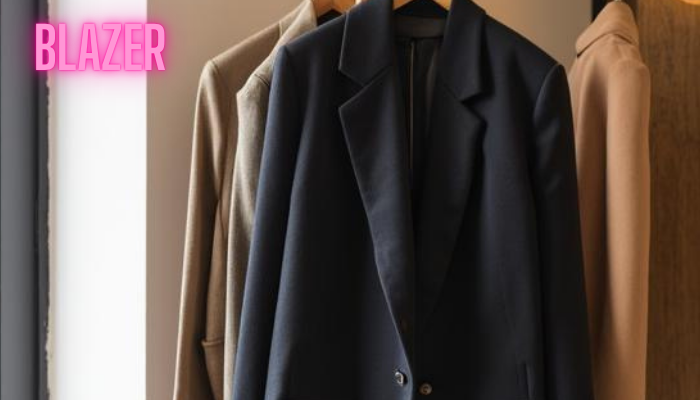
Why the Blazer Has Never Gone Out of Style
Some garments come and go with the seasons. The blazer is not one of them. For well over a century, it has held its place as one of the most reliable, versatile, and genuinely stylish pieces in any wardrobe. It can dress up a pair of jeans, complete a boardroom look, or add a layer of polished intention to an otherwise casual outfit. Very few clothing items can claim that kind of range.
But the blazer is also widely misunderstood. Many people treat it as a strict, formal piece best reserved for job interviews or weddings. Others buy one, wear it twice, and let it gather dust at the back of the wardrobe. Neither outcome does justice to a garment that, when chosen and worn correctly, can genuinely transform how you look and feel.
This guide covers everything you need to know about the blazer: where it came from, how it differs from similar garments, what to look for when buying one, and how to style it for different occasions and body types.
A Brief History of the Blazer
The blazer has a surprisingly specific origin story. Most fashion historians trace it back to the mid-19th century in Britain, where it began as a lightweight, single-breasted jacket worn by rowing club members and cricket players. The Word itself is most commonly associated with the HMS Blazer, a British naval vessel whose captain in the 1840s reportedly dressed his crew in distinctive, bright blue, striped jackets for a review by Queen Victoria. The jackets were bold enough to earn the nickname “blazers,” and the name stuck.
From its sporty, nautical beginnings, the blazer gradually moved into broader use. By the early 20th century, it had become standard attire at British public schools and universities, where it typically featured a school crest embroidered on the breast pocket. The garment carried with it a sense of institutional belonging, of being part of something organized and respectable.
It crossed the Atlantic in the mid-20th century and was quickly adopted into American casual and business culture, particularly as the suit began its long, slow retreat from everyday wear. By the 1970s and 1980s, blazers were everywhere: in offices, on television presenters, at dinner parties. They softened into looser silhouettes during the 1990s before returning to sharper, more tailored forms in the 2000s and beyond.
Today, the blazer exists in more variations than at any other point in its history, which makes it both more exciting and, admittedly, more confusing to shop for.
Blazer vs. Sport Coat vs. Suit Jacket: Understanding the Difference
One of the most common sources of confusion in menswear, and increasingly in womenswear too, is the distinction between a blazer, a sport coat, and a suit jacket. These three garments look superficially similar but are meaningfully different in origin, construction, and appropriate use.
A suit jacket is part of a matched set. It is cut from the same fabric as the trousers and is intended to be worn with them. Wearing a suit jacket on its own, paired with different trousers, is generally considered a fashion mistake because the jacket and its orphaned trousers will look mismatched and incomplete.
A sports coat, also called a sports jacket, was originally designed for outdoor leisure activities such as hunting, riding, and shooting. It tends to be made from heavier, textured fabrics such as tweed, herringbone, or houndstooth, and it often features functional details like suede elbow patches or bellows pockets. Sport coats are inherently casual and work best in informal settings.
A blazer sits between these two. It is not part of a set, so it is designed from the outset to be worn with contrasting trousers. It is typically made from solid or subtly patterned fabric, most classically navy blue, though today it comes in an enormous range of colors. Traditionally, a blazer features metal buttons, often gold or silver, that signal the jacket is a standalone piece rather than part of a suit. Modern blazers sometimes use fabric-covered buttons for a more contemporary look.
The practical takeaway is simple: if you want a jacket you can pair with jeans, chinos, or contrasting trousers across a range of occasions, a blazer is what you are looking for.
Choosing the Right Blazer Fabric
Fabric choice determines not just how a blazer looks but how it drapes, breathes, and holds its shape over time. Getting this right is one of the most important decisions you will make when shopping for one.
Wool is the gold standard for blazer fabric. It drapes beautifully, regulates temperature reasonably well across seasons, holds a crisp silhouette, and improves with proper care over the years of wear. A mid-weight wool blazer in navy or charcoal is the single most versatile blazer most people will ever own. Merino wool is particularly fine and comfortable against the skin, making it an excellent choice for year-round wear.
Linen is the fabric of warm weather. It is lightweight, breathable, and effortlessly relaxed, making it ideal for summer occasions, outdoor events, and warm-climate travel. The tradeoff is that linen creases easily and does not hold a sharp silhouette as well as wool does. Many people consider this part of its charm rather than a flaw.
Cotton blazers occupy a casual space. They are comfortable, easy to care for, and work particularly well in casual or business-casual environments. A well-cut cotton blazer in an earth tone or a muted color can be a practical everyday choice that does not demand the same level of care as wool.
Synthetic and blended fabrics have improved dramatically in recent years. Many modern blazers use polyester blends that resist wrinkles, maintain their shape, and offer a lower price point. For travel, a wrinkle-resistant synthetic blend blazer can be genuinely useful. The tradeoff tends to be in breathability and long-term durability compared to natural fibers.
Velvet and textured fabrics are reserved for evening wear and occasion dressing. A velvet blazer in deep burgundy, forest green, or midnight black can be a genuinely striking choice for formal evening events, parties, or creative settings where conventional suiting feels too stiff.
Finding the Right Fit
Fit is the single most important factor in how a blazer looks on your body, and it matters far more than price, brand, or fabric. A well-fitted mid-range blazer will always look better than an expensive one that does not fit correctly.
There are a few key measurements and proportions to pay attention to. The shoulder seam should sit precisely at the edge of your shoulder, neither overhanging the arm nor pulling toward the neck. This is the one area where alterations are both expensive and technically difficult, so getting this right at the point of purchase is critical.
The chest should button comfortably without pulling across the front, but it should not be so loose that the jacket hangs shapelessly. When buttoned, there should be a clean line across the chest with no visible stress on the fabric.
Sleeve length is a matter of both fit and convention. The traditional guideline suggests that approximately half an inch to three-quarters of an inch of shirt cuff should be visible below the blazer sleeve. This creates a layered, intentional look that signals proper tailoring.
The jacket length should generally reach the base of your thumb when your arms hang naturally at your sides. This is a rough guide rather than a strict rule, and modern cuts sometimes run shorter for a contemporary silhouette.
If you are buying off the rack, expect to make at least minor alterations. Sleeve shortening, taking in the waist, and adjusting the hem are all relatively inexpensive and can transform a good blazer into one that looks genuinely custom.
How to Style a Blazer for Men
The real joy of owning a good blazer is discovering how many different outfits it unlocks. For men, the range of possibilities is genuinely broad.
The most classic pairing is a navy blazer with grey trousers, a white or light blue shirt, and leather shoes. This combination has been appropriate for business and smart-casual occasions, and everything in between, for decades, and it will continue to be so. It is not boring. It is reliable in the best sense of the Word.
For a more relaxed look, a blazer over a crew-neck sweater or a fine-knit turtleneck creates an effortlessly polished layered outfit. Remove the shirt entirely from the equation, and the look becomes modern and slightly unconventional without losing its composure.
Jeans and a blazer are a pairing that has been discussed and debated for years, but when done well, it works beautifully. The key is contrast: a structured blazer against the casual texture of denim creates a deliberate tension that reads as intentional rather than confused. Slim or straight-cut dark jeans work best, paired with clean leather sneakers or loafers rather than heavily worn footwear.
For formal occasions that do not quite require a full suit, a blazer with matching or tonal trousers and a tie can strike exactly the right note. This is particularly effective at events like cocktail parties, wedding receptions, or work functions where a full suit might feel like over-dressing.
How to Style a Blazer for Women
The blazer has become one of the most powerful pieces in women’s fashion over the past two decades, and the ways it can be worn have expanded far beyond traditional office dressing.
Oversized blazers have had an enormous cultural moment and remain a strong contemporary choice. Worn over a simple bodysuit or fitted top, with tailored trousers or wide-leg pants, an oversized blazer creates a silhouette that is both commanding and effortlessly cool. Many women also wear oversized blazers as a form of dress, belting them at the waist over tights or bare legs, creating a minimalist, editorial look.
A well-fitted blazer paired with matching high-waisted trousers creates a co-ord or power suit effect that is among the most authoritative and stylish things a woman can wear in a professional or semi-formal setting. This look works across a remarkable range of colors, from classic neutrals to bold jewel tones.
For casual dressing, a blazer thrown over a plain white t-shirt and straight-leg jeans is a combination that requires almost no thought and consistently looks pulled together. It is the kind of outfit that allows you to move through different parts of a day, from a coffee meeting to an afternoon errand to an early dinner, without changing.
Blazer Colors and When to Wear Them
Color choice shapes where and how a blazer can be worn more than almost any other factor.
Navy is the most versatile color in the blazer lexicon. It pairs with grey, white, cream, khaki, olive, and even soft shades of pink with equal ease. If you are buying your first blazer, navy is almost always the right answer.
Charcoal and grey blazers lean more formal and work particularly well as suit-adjacent options for office environments. They pair naturally with white shirts, navy trousers, and black shoes.
Camel and tan blazers have a warm, autumnal quality that works beautifully with earth tones and is particularly strong in the fall and winter months. A camel blazer over a white shirt and navy trousers is a quietly sophisticated combination.
Bolder colors like forest green, burgundy, rust, and cobalt blue work well for creative settings, evening occasions, and anyone confident enough to make a statement. These are not substitutes for a core neutral blazer but excellent additions once the basics are covered.
Patterned blazers, including plaid, windowpane check, and subtle herringbone, add visual interest and personality. They require a little more care in pairing, but reward the effort with outfits that feel genuinely distinctive.
Caring for Your Blazer
A quality blazer, properly cared for, should last many years and often improves with age. The most important habit to develop is not over-cleaning. Wool blazers do not need to be dry-cleaned after every wear. In fact, frequent dry cleaning shortens the fabric’s lifespan. Hanging the blazer on a shaped hanger after wear, allowing it to breathe, and brushing off any surface debris with a soft clothes brush is the routine that keeps it looking its best.
Spot-clean minor marks rather than sending the whole garment for cleaning. Steam is your friend for removing light creases between wearings. When storing a blazer for a longer period, use a breathable garment bag rather than plastic, which traps moisture and encourages mildew.
Cedar blocks or sachets in your wardrobe are a simple, effective way to deter moths, which are particularly attracted to natural wool fibers.

When people hear the name Belichick, their minds immediately drift to the sidelines of Gillette Stadium, the iconic hoodies, and a legacy of Super Bowl rings. However, behind the scenes of one of the most successful eras in American sports history, Debby Clarke Belichick played a central and foundational role. As the former wife of legendary NFL coach Bill Belichick, her story is much more than a footnote in a sports biography. She is a woman of quiet strength, a dedicated mother, and a successful entrepreneur who navigated the intense pressures of the professional football world while carving out her own unique identity.
Early Beginnings and the Meeting of Minds
The story of Debby Clarke and Bill Belichick began long before the bright lights of the NFL. Their paths first crossed in the mid 1970s while Bill was establishing his early career in coaching. From the start, Debby was a constant presence as Bill moved through the ranks of various organizations, including the Baltimore Colts, the Detroit Lions, and the Denver Broncos. During these nomadic early years, Debby provided the stability necessary for a young coach to thrive in a notoriously volatile industry.
Those who knew the couple during their early years describe a partnership built on mutual respect. While Bill was obsessed with the intricacies of defensive schemes and film study, Debby was the anchor of the household. She managed the logistical challenges of frequent moves and the emotional toll of a profession where job security is never guaranteed. This period of their lives laid the groundwork for the future, teaching them the resilience required to survive at the highest levels of professional sports.
Family Life in the Public Eye
As Bill Belichick’s career ascended, eventually leading to his tenure with the New York Giants and his first head coaching job with the Cleveland Browns, the family grew. Debby and Bill welcomed three children: Amanda, Stephen, and Brian. For Debby, the priority was always providing a sense of normalcy for her children despite their father’s high profile career.
Life as the spouse of an NFL head coach is rarely easy. The season demands sixteen hour workdays and constant travel, leaving the majority of the parenting and domestic responsibilities to the partner at home. Debby handled these responsibilities with grace. She was frequently seen at games, supporting the team and fostering a sense of community among the other coaches’ families. Her influence on her children is evident today, as all three have followed in their father’s footsteps by pursuing careers in sports and coaching. Amanda became a successful head coach in collegiate lacrosse, while both Stephen and Brian joined the New England Patriots coaching staff, proving that the family’s dedication to excellence was a value instilled by both parents.
Entrepreneurship and Creative Pursuits
While she was deeply involved in her family life, Debby Clarke Belichick was never content to simply remain in the background. She possessed a keen eye for design and a passion for aesthetics. This led her to co-found an interior design firm called The Art of Tiles and Architecture, located in Wellesley, Massachusetts.
The business was a testament to her creative spirit and her ability to build something from the ground up. The firm specialized in high end tile designs and architectural consultations, catering to a sophisticated clientele. For Debby, this venture was an outlet for her personal interests and a way to establish a professional identity separate from the world of football. It allowed her to engage with the community on her own terms, proving that she was a woman of diverse talents and business acumen. Her work in design reflected a meticulous attention to detail, a trait she perhaps shared with her former husband, though applied to a much more artistic medium.
Navigating Transition and Privacy
The public profile of the Belichick family reached its peak during Bill’s historic run with the New England Patriots. However, in 2006, the couple made the difficult decision to divorce. In a world of tabloid speculation and aggressive sports media, the dissolution of their marriage was handled with a remarkable degree of privacy and dignity.
Following the divorce, Debby chose to step away from the public spotlight. She did not seek out media attention or attempt to capitalize on her former husband’s fame. Instead, she focused on her business, her children, and her personal growth. This choice to maintain a low profile is a reflection of her character. She has always prioritized substance over status, valuing her privacy and the well being of her family above all else. In the years since the split, she has remained a respected figure in her community, known for her kindness and her professional integrity.
Philanthropy and Community Impact
Throughout her life, Debby has also been committed to giving back. During her time with the Patriots, she was involved in various charitable initiatives through the Patriots Charitable Foundation. She understood the platform that the NFL provided and sought to use it for the benefit of others. Whether participating in events to support local schools or contributing to community development projects, she remained active in philanthropic efforts.
Her approach to charity was much like her approach to life: quiet, consistent, and impactful. She often worked behind the scenes to ensure that resources reached those who needed them most. This dedication to service has left a lasting impression on the organizations she supported and remains a significant part of her legacy.
The Legacy of a Private Life
Today, Debby Clarke Belichick continues to live a life defined by her own choices and successes. While she will always be linked to the history of the New England Patriots through her family, she has established a legacy that is entirely her own. She serves as an example of how one can navigate the intense pressures of a public life while maintaining personal integrity and a strong sense of self.
Her journey is a reminder that behind every great public figure, there are often individuals whose contributions are just as vital, even if they are not as frequently celebrated in the headlines. Debby’s role in the Belichick story was one of foundational support, creative enterprise, and maternal dedication. She navigated the transitions of her life with an elegant resilience that commanded respect from those who knew her.
In a modern culture that often prizes fame for the sake of fame, Debby Clarke Belichick stands out as a woman who chose a different path. She chose work, family, and privacy. She built a business based on her passions and raised children who have gone on to achieve their own greatness. Her story is one of balance and beauty, proving that the most meaningful lives are often those lived with quiet purpose and a commitment to the things that truly matter. As we look back on the various eras of football history, it is important to acknowledge the people like Debby who provided the stability and support that made the legendary achievements possible. Her influence remains a part of the fabric of the sport, woven into the lives of her children and the community she helped build.


Advent: The Season of Light, Hope, and Quiet Anticipation

Pravi Celer: The True Celery Transforming Modern Nutrition

Burt Thicke: The Name, the Myth, and the Real Family Story
-

 Fashion9 years ago
These ’90s fashion trends are making a comeback in 2017
-
Entertainment9 years ago
The final 6 ‘Game of Thrones’ episodes might feel like a full season
-
Fashion9 years ago
According to Dior Couture, this taboo fashion accessory is back
-
Entertainment9 years ago
The old and New Edition cast comes together to perform
-
Sports9 years ago
Phillies’ Aaron Altherr makes mind-boggling barehanded play
-
Business9 years ago
Uber and Lyft are finally available in all of New York State
-
Entertainment9 years ago
Disney’s live-action Aladdin finally finds its stars
-
Sports9 years ago
Steph Curry finally got the contract he deserves from the Warriors